

Personal Growth and Self Improvement: 5 Powerful Principles That Actually Work
November 27, 2023

Summary
Personal growth and self improvement begin with awareness. When unconscious habits become visible, sustainable change becomes possible.
In this article you will learn:
- Why personal growth begins with self awareness
- How unconscious patterns create the illusion of fate
- How to unlock your potential through structured reflection
- Sustainable self improvement strategies that build identity
- How to measure personal growth through internal stability
“Until you make the unconscious conscious, it will direct your life and you will call it fate.”
— Carl Jung
Carl Jung was a Swiss psychiatrist and psychoanalyst who founded analytical psychology in the early twentieth century. His work focused on the unconscious mind and the hidden patterns that influence behavior. Jung argued that much of human decision-making operates below awareness, shaping identity and outcomes without conscious direction.
When he wrote that the unconscious will direct your life and you will call it fate, he was describing a central principle of personal growth and self improvement. If habits, emotional triggers, and internal narratives remain unexamined, they continue operating automatically. When those patterns produce predictable results, it can feel like destiny. In reality, it is repetition.
Personal growth begins with awareness of that repetition.
Why Personal Growth Begins With Self Awareness
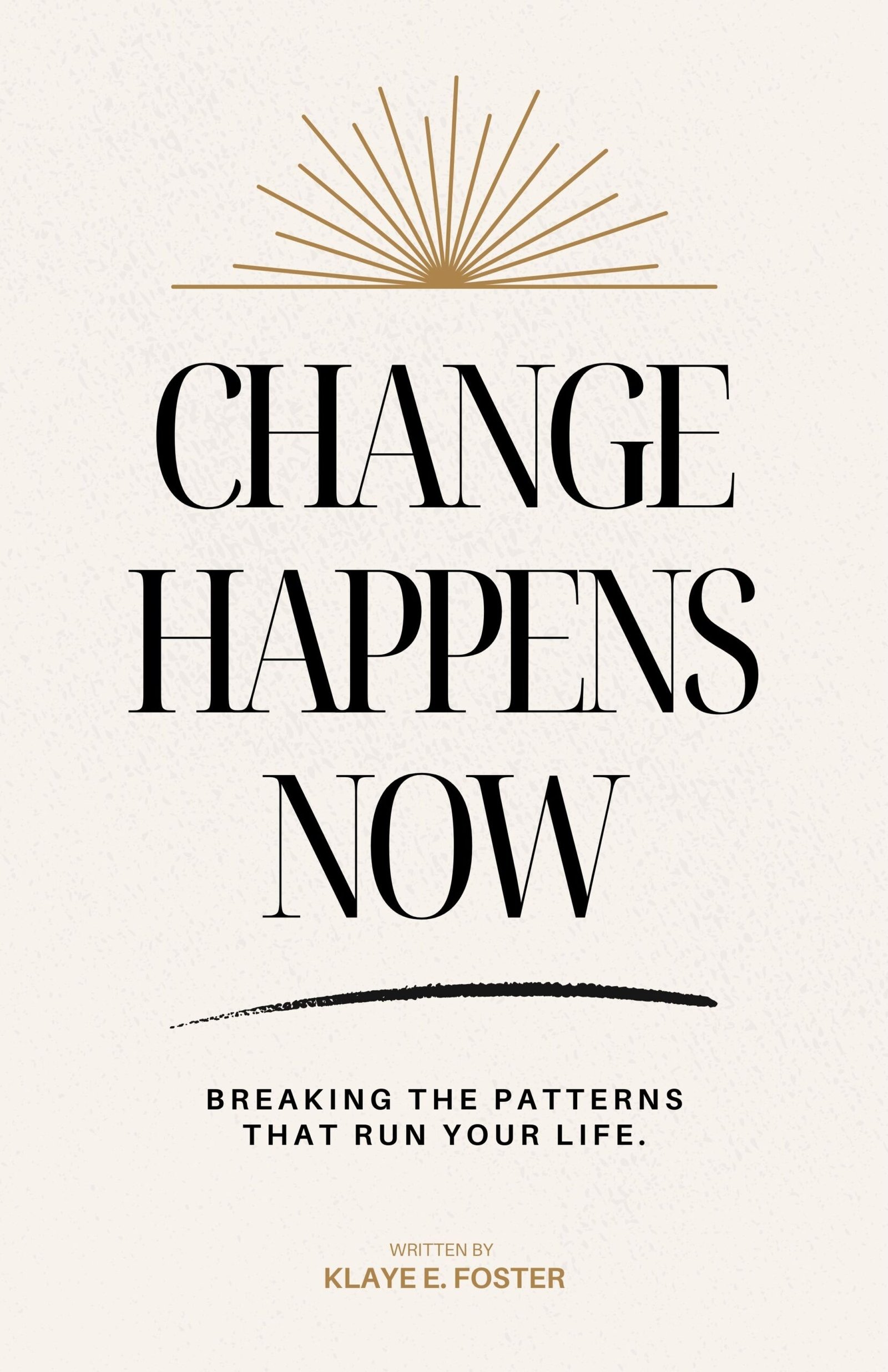
In my book Change Happens Now, the foundation of transformation is not intensity. It is the importance of self awareness in personal growth applied consistently over time.
You cannot improve behavior that you have not first observed clearly.
How to start personal growth is not a mystery. It begins with disciplined self-observation. You study your reactions. You notice recurring arguments. You identify where projects consistently stall. You examine the distractions you reach for when discomfort appears.
These are conditioned responses running on autopilot.
Once you see a pattern clearly, its grip weakens. Awareness creates space between impulse and action. In that space, deliberate choice becomes possible. That moment of choice is where sustainable self improvement strategies begin to work.
How to Unlock Your Potential by Clarifying It
There is a common belief that potential is hidden and must be discovered. That framing suggests that unlocking your potential requires some dramatic breakthrough.
In practice, how to unlock your potential is usually a process of clarification rather than discovery.
Your potential appears in:
- Skills that feel natural to develop
- Problems you instinctively move toward
- Interests that persist without external validation
- Frustrations that signal unused capacity
Persistent dissatisfaction often indicates that growth is available but unclaimed.
To clarify your potential, ask:
What kind of work energizes me consistently?
Where do I perform well with minimal resistance?
What responsibility have I avoided because it requires visible growth?
What feedback have I repeatedly dismissed?
Structured reflection transforms vague ambition into practical direction.

Self Improvement Is Behavioral Precision, Not Motivation
Self improvement is often misunderstood as motivation or inspiration. In reality, it is behavioral precision repeated consistently.
Personal growth and self improvement accelerate when you interrupt familiar reactions and replace them deliberately. You pause before responding defensively. You complete commitments after enthusiasm fades. You choose engagement over avoidance.
Each interruption of an old pattern weakens it. Each deliberate action strengthens a new one.
In the identity-based habits framework discussed in Change Happens Now, repeated conscious choices reshape identity. Identity then drives behavior more reliably than temporary motivation ever could.
5 Sustainable Self Improvement Strategies That Actually Work
1. Define the Identity You Intend to Build
Outcomes fluctuate. Identity compounds.
Decide whether you are building discipline, patience, emotional stability, or creative courage. When identity is defined, daily behavior can be measured against it.
2. Study Emotional Triggers Without Judgment
Emotional reactions provide data. Irritation, envy, and defensiveness often reveal unresolved beliefs. When you treat these reactions as information rather than failure, growth accelerates.
3. Replace Patterns Instead of Eliminating Them
Habits are rarely removed successfully through force. They are replaced. If scrolling relieves stress, replace it with structured reflection or physical movement. Replacement strategies increase sustainability.
4. Align Environment With Growth Goals
Environment influences behavior more than willpower. Reduce digital noise. Organize your space. Surround yourself with individuals who value accountability. Environmental alignment reduces friction in personal growth.
5. Measure Progress Through Internal Stability
External validation does not reliably indicate growth.
A more accurate measure includes:
Are you responding to pressure calmly?
Are you maintaining commitments consistently?
Are you capable of tolerating discomfort without escape?
If the answer is yes, personal growth is occurring.

Obstacles and the Long Game of Personal Growth
Setbacks do not invalidate self improvement. They reveal the strength of existing conditioning.
Repeated awareness gradually rewires ingrained responses. Over time, behaviors that once required discipline become automatic. What began as effort becomes identity.
The real obstacle is not difficulty. It is unconscious repetition.
Closing Reflection on Personal Growth and Self Improvement
Personal growth and self improvement are not acts of self-criticism. They are acts of responsibility.
When awareness increases, choice increases. When choice increases, identity evolves. Over months and years, these adjustments compound into measurable transformation.
You do not need a new personality. You need a clearer understanding of the one currently shaping your life.
Change does not begin with ambition. It begins with attention.
Frequently Asked Questions
How do I start personal growth?
You start personal growth by increasing self awareness. Observe recurring habits, emotional triggers, and thought patterns before attempting to change them. Awareness precedes sustainable change.
Why is self awareness important in personal growth?
Self awareness allows you to identify unconscious behaviors driving outcomes. Without awareness, self improvement efforts remain temporary because underlying patterns stay intact.
How can I unlock my potential?
Unlocking your potential requires structured reflection on your strengths, repeated interests, and areas of dissatisfaction. Clarifying direction reduces confusion and increases focused effort.
What are sustainable self improvement strategies?
Sustainable strategies include identity-based habits, environmental alignment, emotional trigger analysis, and consistent behavioral replacement rather than suppression.
How long does personal growth take?
Personal growth is ongoing. Noticeable internal shifts can occur quickly once awareness increases, but lasting identity change compounds over months and years.